
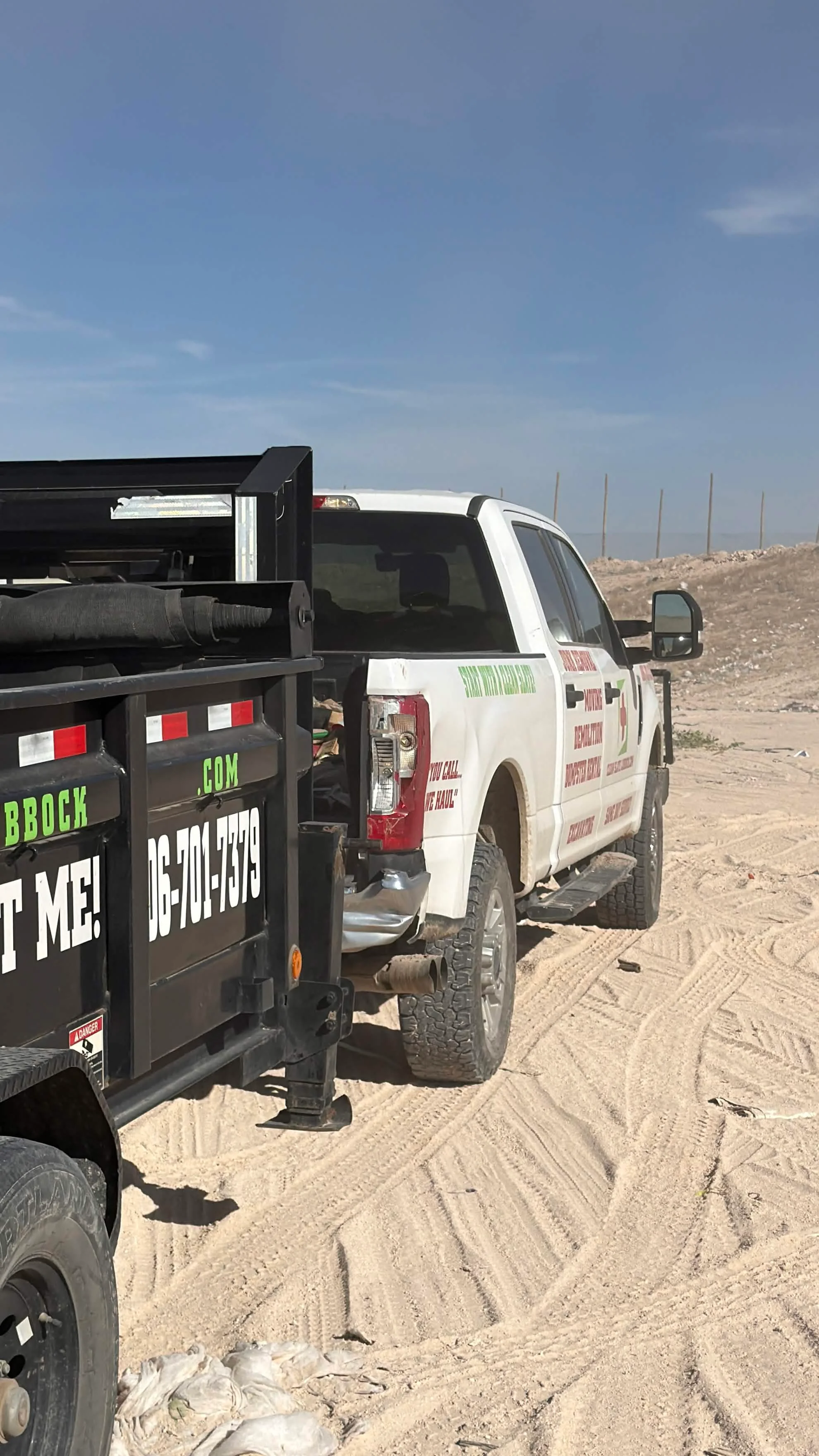
Include debris in the project plan
Before starting a home project, think about the material you will remove as well as the material you will install. Flooring, interior work and other changes can leave different kinds of debris. Write down what you expect, where it will collect and who will load it. Planning the removal is part of organizing the work, not a task to leave until the end.
Your first list does not have to predict every scrap. It should describe the main materials well enough for a useful discussion about service and access.
Separate heavy material in your description
Concrete, dirt and brick deserve a specific conversation. Ask about the concrete dumpster and filling limits before loading. Do not decide that a heavy material is acceptable just because the container still has room. Describe the material and the project, then confirm the loading instructions that apply to your request.
Other debris should be described clearly too. If you are considering combining materials, ask first. The right question is what can go into the proposed load, not simply how much empty space remains.
Choose the service for the work you need
A dumpster can be a useful option when you intend to do the loading as work progresses. Junk removal is another option when you want the crew to load the items. If taking down part of a structure is also part of the job, discuss demolition separately rather than assuming haul-away includes that work.
Clean Slate discusses sheds, decks, interiors and debris haul-off through its demolition service. Explain what should be removed and what must remain. Confirm the work and what is included before it begins.
Keep the work and loading areas organized
Identify a proposed dumpster location and talk through the approach before delivery. Keep cars out of the intended space and mention low wires. Do not assume that the container can be placed exactly where you first pictured it without discussing the location. Ask about exact dimensions when space matters to your plan.
Keep items that should stay away from the debris you intend to remove. A clear distinction is useful when several parts of a project are happening together or different people are making decisions.
Ask before loading uncertain waste
Keep hazardous waste, paint, chemicals and batteries out of the dumpster. Tires require a tire dumpster. If a material is uncertain, call or text before loading it. Do not hide it beneath construction debris or assume that a small amount changes whether it is accepted.
Describe unknown materials without making your own disposal assumptions. Keep them separate while you seek guidance about the request. The goal is to confirm what belongs in the load before the rest of the project makes access harder.
Review the rental and pickup arrangements
Read the listed price and sales tax information, then review the booking terms. You pay the listed price plus sales tax when you book. Standard rental is a full week. Extra time is $100 per extra week. A dry run is $150. A swap is the same price as the dumpster. There are no refunds for cancellation, especially within 24 hours of the rental. Your card stays on file, and tonnage ($95 per ton) applies to all weight and is billed after pickup. Do not assume that an extra container is included. Discuss changes when you know you need them.
When your work is ready for pickup, call or text. Keep notes about the materials and arrangements so you can describe the request clearly. Visit the demolition page if removal of a shed, deck or interior is part of the work you want to discuss.
Start with a clean slate.
Book online now, or call or text (806) 701-7379 and tell us what you are working on.